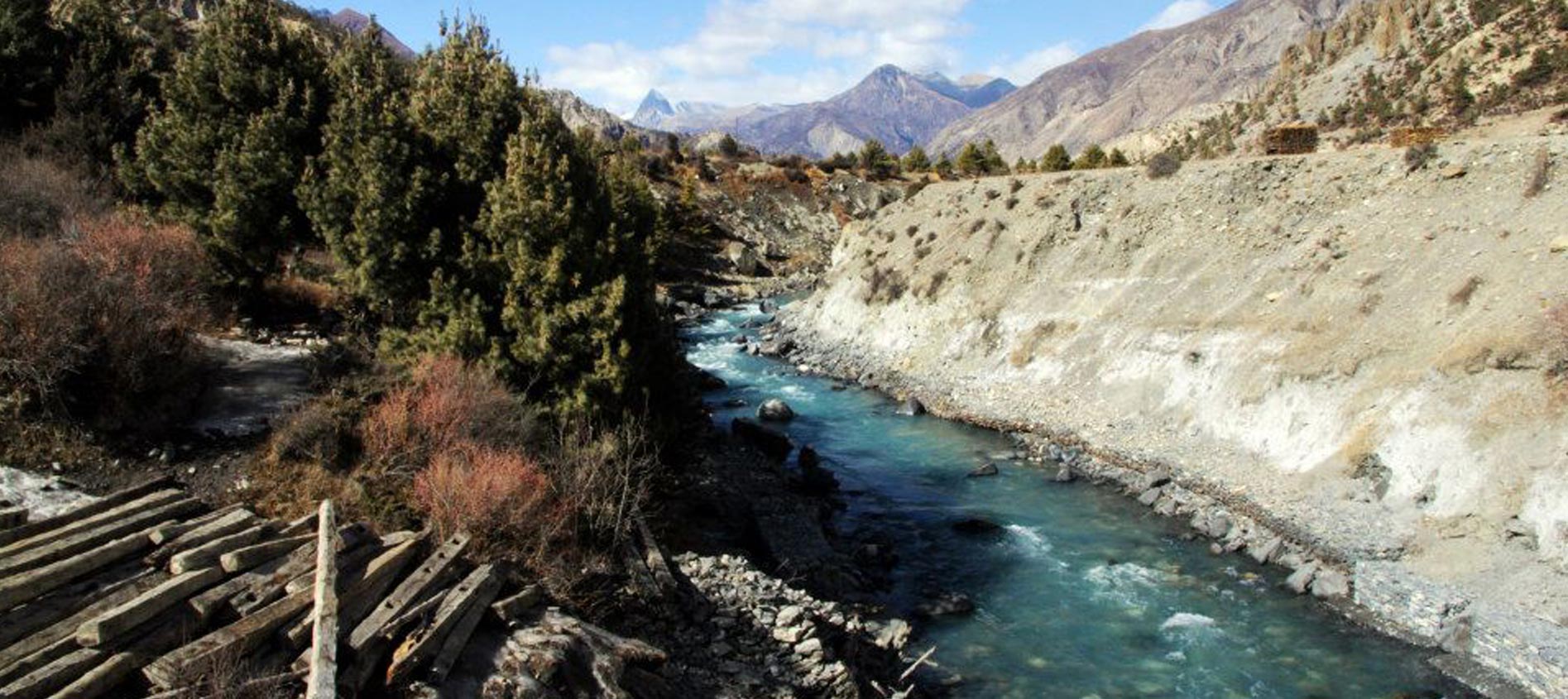
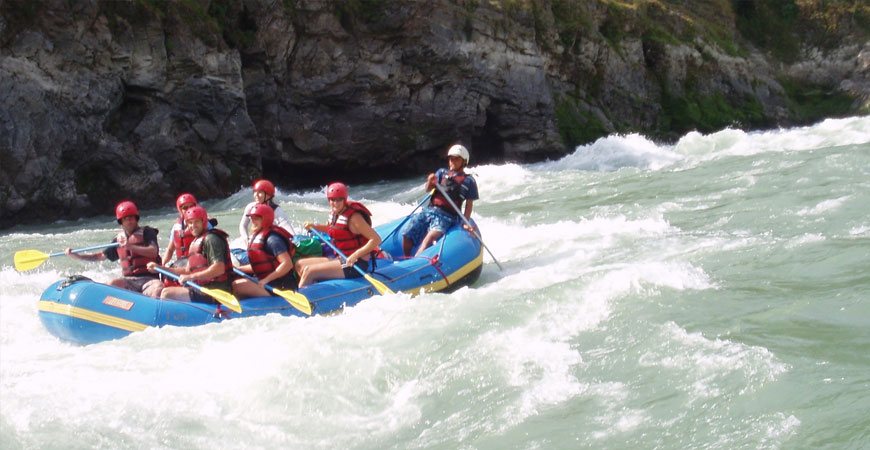
For first time paddlers, a trip down the Trisuli is an experience not to be missed (class 3 to 4+ in high water). While you learn to handle the river’s well spaced, straightforward rapids, a panorama of stunning gorges drifts quietly past. During the monsoon, the river promises a more challenging ride, with powerful rapids and whirlpools. This trip can easily be combined with a visit to Chitwan National Park or Pokhara.
Author: gwtadmin
Kaligandaki River Rafting
River of God
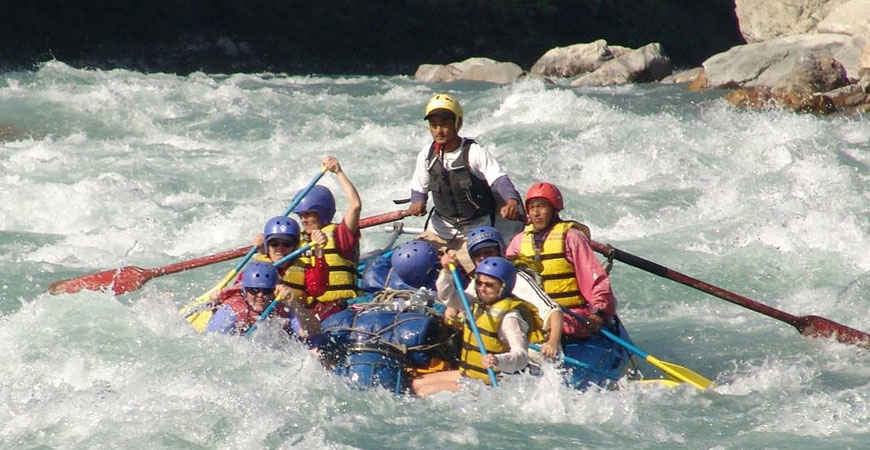
Named after the much-revered Goddess Kali and descending from the deepest gorge in Asia, this fabulous river (class 3 to 4) offers a mixture of astounding mountain views and pure adrenaline with a full immersion into the wilderness. Along the way you will encounter culture at its simplest. If you’re lucky, traditional Magar and Chetri villagers will venture down to the riverbank to witness your journey through the remote mountain wilderness of Nepal.
Sunkoshi River Rafting
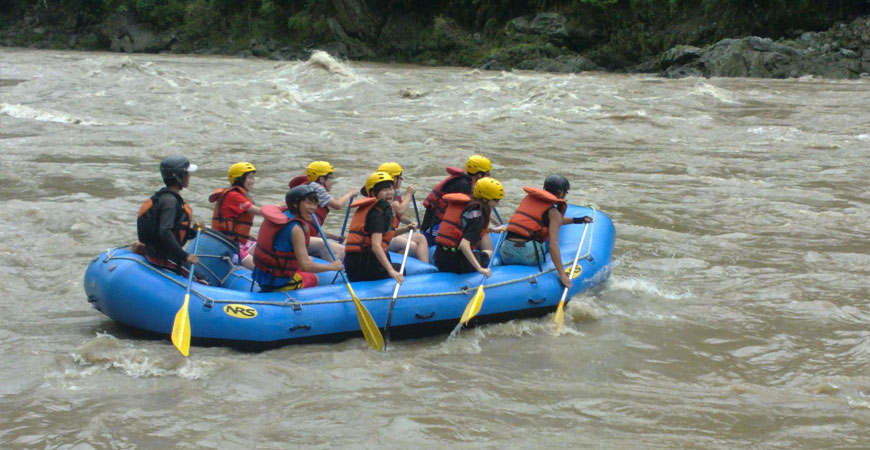
This classic river trip is famous for being one of the top ten river journeys in the world. The ever changing scenery helps to ensure that every day on the river is exciting and different. The beginning of the trip sees high mountains, open valley, forests and small remote villages. The final days bring you to open plains and the thriving village of Chatara. The rapids encountered at the beginning of the trip are fairly relaxed class 3, giving an excellent opportunity for great teamwork to really develop. As the river winds its way across the country the size of the rapids increase and it is not unknown for villagers watching from the riverbank to lose sight of the raft in the huge waters! This is an ideal trip for those wanting to combine peaceful stretches of stunning scenery, some challenging rapids and the experience of a lengthy trip where lifelong friendships can often begin Dumja, instead of Dolalghat the new put-in point for the Sun Kosi River is about 3 hours east of Kathmandu and reached by private minibus. The 235 km. of river action can take either 7 or 9 days, depend on the season. There is an orientation meeting early in the evening before the trip, providing you with an opportunity to ask any further questions you may have, to meet your fellow rafters and also your guide.The return journey from the take-out point of Chatara, in the far south east of the country, takes approximately 16 hours to Kathmandu. It is also possible to arrange a flight from Biratnagar (1 hour road journey from Chatara) to Kathmandu or Pokhara in additional cost.
Chitwan National Park
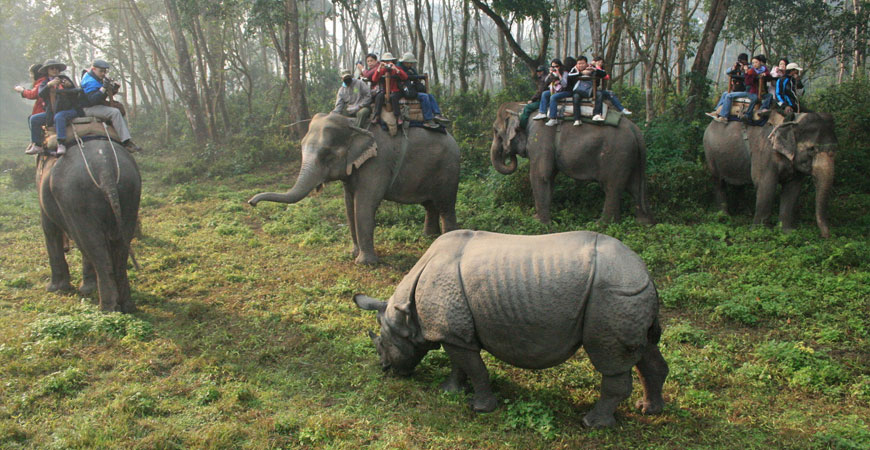
Chitwan National Park is a protected area in Nepal that covers an area of 932 square kilometers. It is located in the subtropical lowlands of the Terai region, in the southern part of the country. The park is known for its diverse wildlife, including the Bengal tiger, Indian rhinoceros, and Asian elephant, as well as a variety of bird species. The park also has a rich cultural heritage, with traditional Tharu villages located within its boundaries. The park was designated a UNESCO World Heritage Site in 1984 and is a popular destination for eco-tourism.
Why Tourists Visit Chitwan National Park ?
Wildlife viewing: The park is home to a wide variety of wildlife, including the Bengal tiger, Indian rhinoceros, Asian elephant, and many other species of mammals, birds, and reptiles. Visitors can take guided tours on foot or by jeep to see these animals in their natural habitat.
Cultural experiences: The park is home to traditional Tharu villages, where visitors can learn about the local culture and way of life. Visitors can also take part in cultural activities such as Tharu dance performances and traditional cooking classes.
Adventure activities: The park offers a variety of adventure activities such as jungle safari, elephant back safari, canoeing, and bird-watching.
Scenery: Chitwan National Park is located in the subtropical lowlands of the Terai region, which is known for its lush vegetation and scenic landscapes. Visitors can enjoy the views of the park from the back of an elephant or from the comfort of a canoe.
Peaceful retreat : This park is a perfect place for visitors who are looking for a peaceful retreat away from the hustle and bustle of the city life. It is a perfect place for people who are looking to spend time in nature and enjoy the tranquility of the park.
Photography: The park is a perfect place for photographers to capture the diverse wildlife, traditional cultures and beautiful landscapes.
How to go to Chitwan National Park?
From Kathmandu: You can take a bus or a private vehicle from Kathmandu to Chitwan National Park. The bus journey takes around 5-6 hours, while the drive by car or jeep takes around 4-5 hours.
From Pokhara: You can take a bus or a private vehicle from Pokhara to Chitwan National Park. The bus journey takes around 5-6 hours, while the drive by car or jeep takes around 4-5 hours.
From Sunauli Border: The Sunauli border is located between Nepal and India. Visitors can take a bus or a private vehicle from the border to Chitwan National Park. The journey takes around 4-5 hours.
By air: The nearest airport is Bharatpur Airport, which is about 20km away from Chitwan National Park. Daily flights are available from Kathmandu to Bharatpur.
It is important to note that the best way to go to Chitwan National Park can vary depending on the season and the road conditions, it’s always good to check with locals or travel agents before making the trip.
Bardia National Park
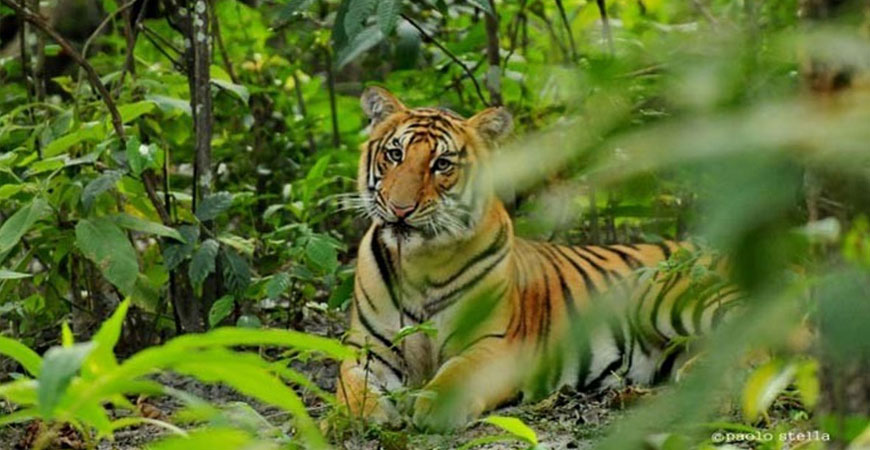
Bardia National Park is a protected area located in the Terai region of Nepal. It covers an area of 968 square kilometers and was established in 1988 as a conservation area for the Bengal tiger and other endangered species. The park is home to a wide variety of flora and fauna, including the Royal Bengal tiger, Asian elephant, one-horned rhinoceros, and Gangetic dolphin. Visitors can engage in activities such as jungle safari, bird watching, and cultural tours of the local Tharu village. The park also offers accommodation options for tourists, including luxury lodges and budget-friendly tents. The park is considered one of the best place to see wild animals in Nepal.
Tourists visit Bardia National Park in Nepal for several reasons:
- Wildlife Viewing: The park is home to a wide variety of flora and fauna, including the Royal Bengal tiger, Asian elephant, one-horned rhinoceros, and Gangetic dolphin. Visitors can take part in jungle safari tours to see these animals in their natural habitats.
- Bird Watching: Bardia National Park is also a popular destination for bird watching, with over 450 species of birds found in the park.
- Cultural Experience: The park offers cultural tours of the local Tharu village, allowing visitors to experience the traditional way of life and customs of the local people.
- Adventure Activities: Visitors can also engage in activities such as elephant rides, fishing, and river rafting in the park.
- Scenery: The park also offers beautiful scenery, with dense forests, grasslands, and wetlands, and is a great place for nature lovers and outdoor enthusiasts.
- Accommodation: The park offers a range of accommodation options, including luxury lodges and budget-friendly tents, making it an ideal destination for travelers of all budgets.
- Relaxation: The park is a peaceful place to escape the hustle and bustle of the city and enjoy the natural beauty of the wilderness.
How to go to Bardia National Park?
- By Air: The nearest airport to Bardia National Park is Nepalgunj Airport, which is well connected to Kathmandu and other major cities in Nepal. From the airport, you can take a taxi or a bus to reach the park.
- By Bus: Regular bus services are available from Kathmandu to Nepalgunj, from where you can take a local bus or a jeep to reach the park.
- By Car: You can also drive to the park from Kathmandu or other nearby cities. The drive is around 600 km and takes around 12-13 hours.
- By Train: There is no direct train service to Bardia National Park, but you can take a train to Nepalgunj and then take a bus or jeep to reach the park.
- By Bike : This is not a popular way to reach the park but if you are an adventure seeker, you can take a bike ride from Kathmandu to the park.
- Note that the park is located in the Western Terai region of Nepal, so the nearest major city to the park is Nepalgunj.
Koshi Tappu Wildlife Reserve
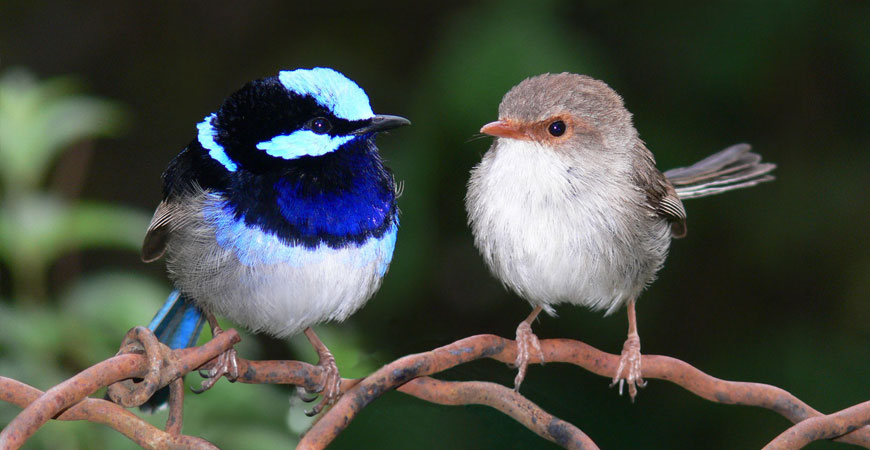
Koshi Tappu Wildlife Reserve is a protected area in Nepal, located in the Terai region of the Saptari and Sunsari districts. It covers an area of 175 square kilometers and was established in 1976 to protect the habitat of the endangered wild water buffalo, also known as Arna in Nepal. The reserve is also home to a wide variety of other flora and fauna, including over 446 species of birds, as well as other mammals such as the spotted deer, hog deer, and blue bull. The reserve also offers visitors a chance to see the Gangetic dolphin. Visitors can engage in activities such as bird watching, jungle safari, and cultural tours of the local Tharu village. The reserve also offers accommodation options for tourists, including budget-friendly tents and camping sites.
Why Tourists visit Koshi Tappu Wildlife Reserve?
- 1.Wildlife Viewing: The reserve is home to a wide variety of flora and fauna, including the endangered wild water buffalo, also known as Arna, and over 446 species of birds. Visitors can take part in jungle safari tours to see these animals in their natural habitats.
- 2.Bird Watching: Koshi Tappu Wildlife Reserve is particularly known for its bird watching opportunities, with over 446 species of birds found in the reserve, including the Sarus Crane, the Bengal Florican, and the Black-necked Stork.
- 3.Cultural Experience: The reserve offers cultural tours of the local Tharu village, allowing visitors to experience the traditional way of life and customs of the local people.
- 4.Adventure Activities: Visitors can also engage in activities such as fishing and river rafting in the reserve.
- 5.Scenery: The reserve also offers beautiful scenery, with lush forests, wetlands, and grasslands, and is a great place for nature lovers and outdoor enthusiasts.
- 6.Accommodation: The reserve offers a range of accommodation options, including budget-friendly tents and camping sites, making it an ideal destination for travelers of all budgets.
- 7.Relaxation: The reserve is a peaceful place to escape the hustle and bustle of the city and enjoy the natural beauty of the wilderness.
Dolphin watching: The reserve also offers a chance to see the Gangetic dolphin, a rare species found in the Koshi river.
How to reach Koshi Tappu Wildlife Reserve ?
- By Air: The nearest airport to Koshi Tappu Wildlife Reserve is Biratnagar Airport, which is well connected to Kathmandu and other major cities in Nepal. From the airport, you can take a taxi or a bus to reach the reserve.
- By Bus: Regular bus services are available from Kathmandu to Biratnagar, from where you can take a local bus or a jeep to reach the reserve.
- By Car: You can also drive to the reserve from Kathmandu or other nearby cities. The drive is around 500 km and takes around 8-9 hours.
- By Bike: This is not a popular way to reach the reserve but if you are an adventure seeker, you can take a bike ride from Kathmandu to the reserve.
Note that the reserve is located in the Eastern Terai region of Nepal, so the nearest major city to the reserve is Biratnagar. Once you reach Biratnagar, you will have to take a jeep or a bus to reach the reserve.
Everest Experience Heli Tour
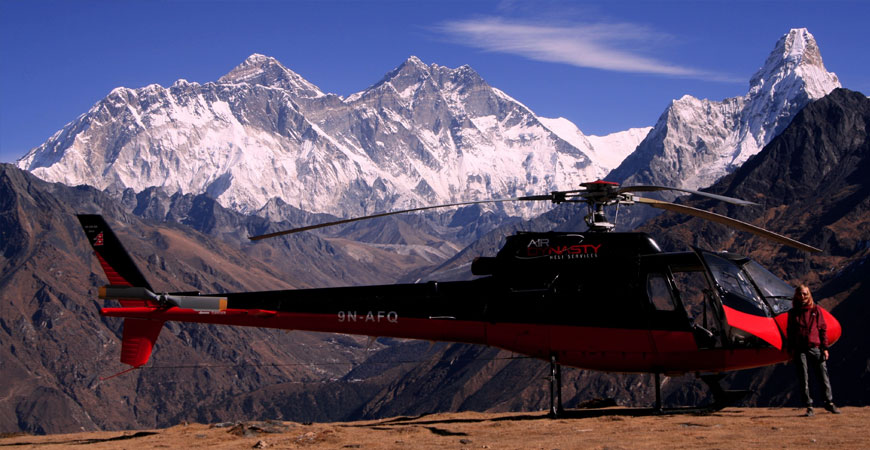
EVEREST EXPERIENCE HELI TOUR
The Ultimate Way to See Everest
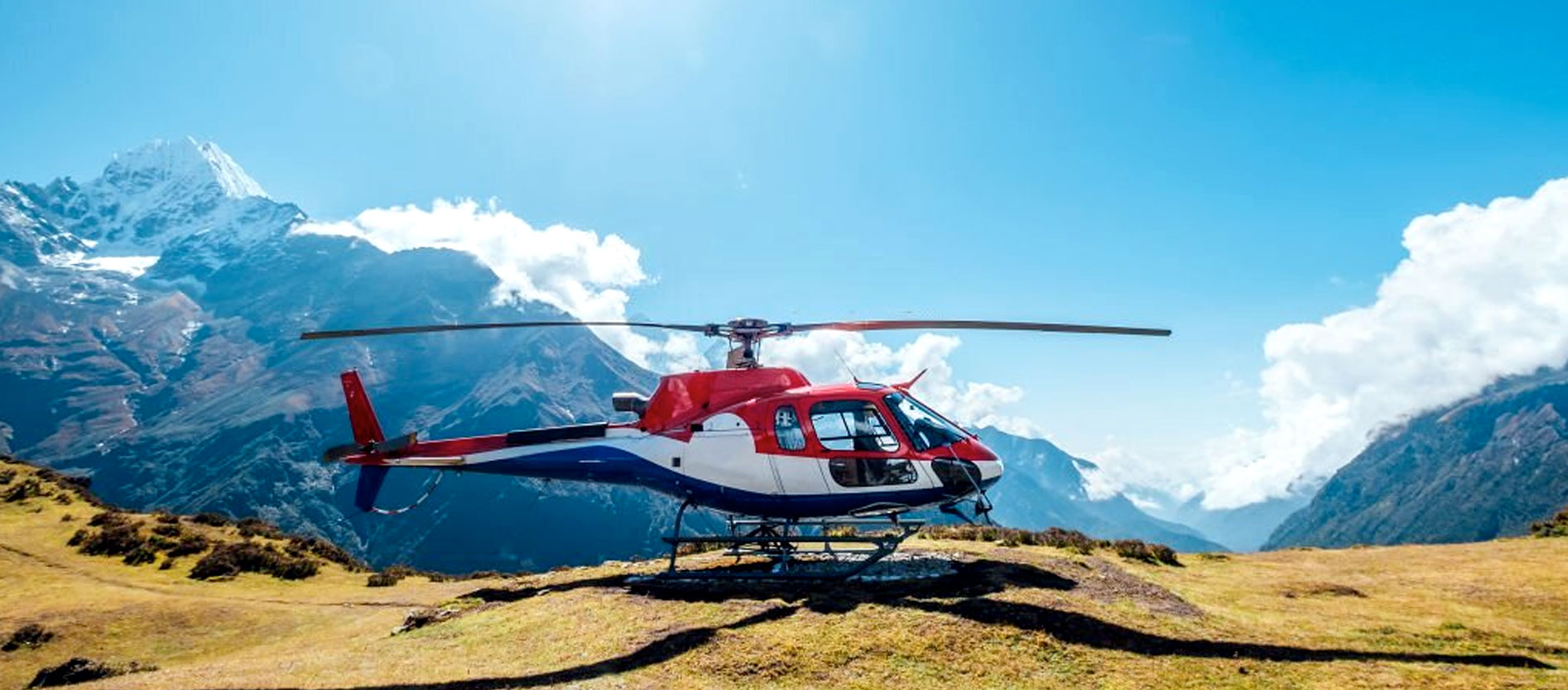
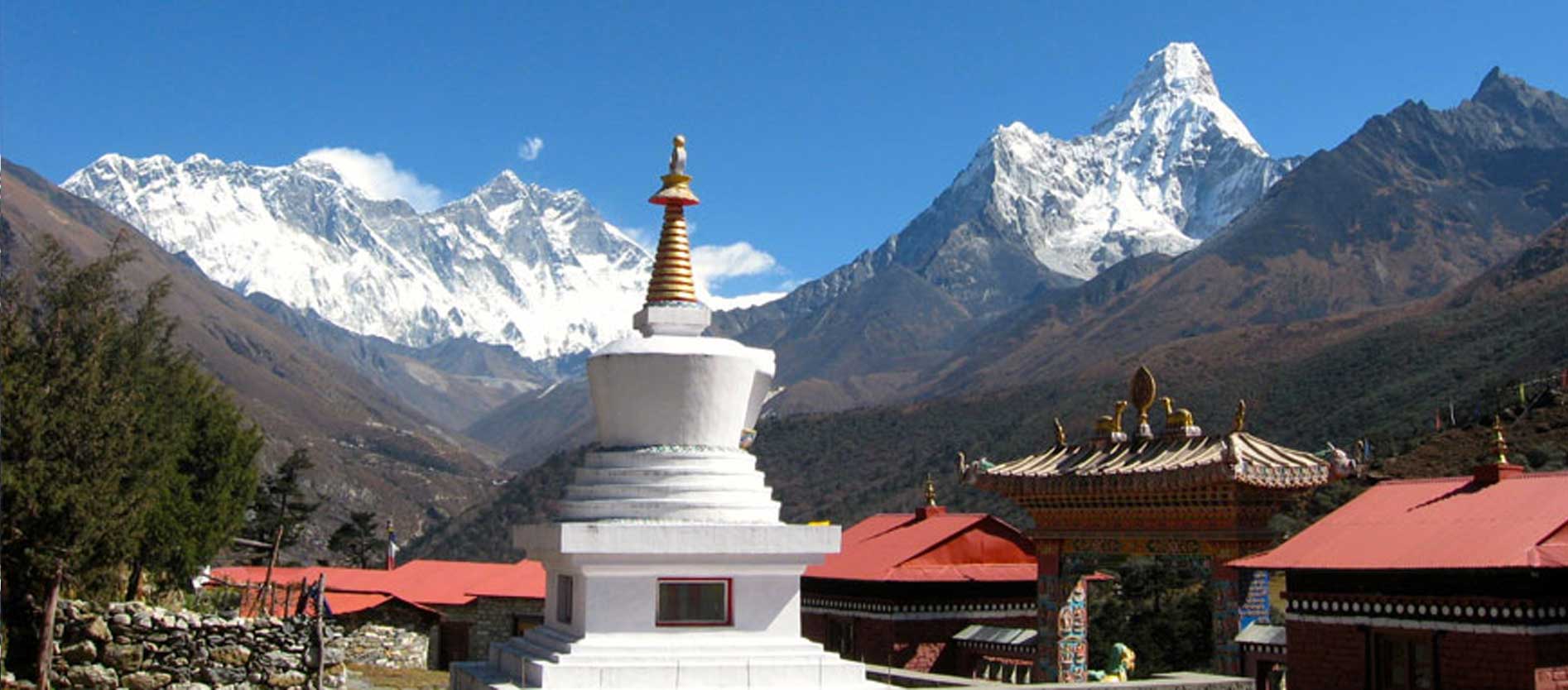
The Everest Experience Helicopter Tour is certainly the perfect way to appreciate the breathtaking view of Mount Everest and the peaks that surround it. From a height of around 8000 m, you can feel the beauty of the Everest area as an eagle floating over the mountains.
The Everest Experience Helicopter Tour leaves Tribhuvan International Airport in Kathmandu every day at 7 a.m. This flies east, following the mountain ranges, circling the spectacular peaks of Mt. Lhotse, South Col, and eventually the magnificent Mt. Everest itself.
The chopper lands at Thyangboche, a village in Solukhumbu where the famous monastery can be visited. This monastery is called The Tigers of the Snow and is the most important Buddhist monastery for the people of Sherpa..
On the way you can view the Everest Ice Fall and Everest glacier warmly and comfortably from your seat. Get mesmerized by the vibrant images of impressive Sherpa villages and the fascinating collage the terraced farms make.
Let Nepal Tibet Tours and Treks arrange this thrilling helicopter flight excursion into the very heart of the Everest region. Definitely there is no better way to see or appreciate Mt. Everest than the Everest Express Helicopter Tour!
The Everest Experience Helicopter Tour is the ultimate way to experience the Himalayas. The entire trip takes just five hours to cover the roof of the world.
Let Nepal Tibet Tours and Treks put together this exciting excursion by helicopter flight into the very heart of the Everest Region. There is definitely no better way to see or appreciate Mt. Everest than on the Everest Experience Helicopter Tour!
Langtang Valley Heli Tour
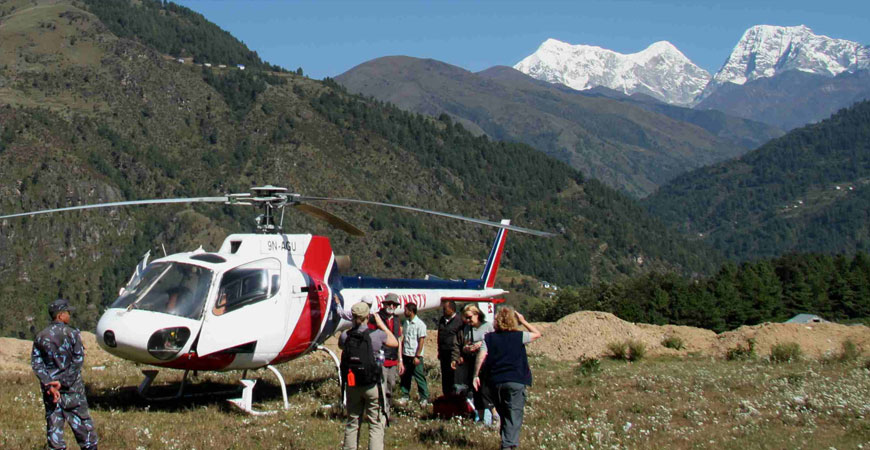
Set off on one of the most scenic aerial flights to explore the Himalayas of Nepal with the Langtang Helicopter Tour. Lose yourself in the mesmerizing closeup view of the mountains and the Langtang National Park as the chopper circles many highland villages, dramatic landscapes and lofty peaks.
This Langtang helicopter tour package starts from Kathmandu; towards the north chasing the Langtang range where you get to enjoy the splendor of mountainous scenery right in front of you. Langtang is the closest mountain reachable from Kathmandu. Apart from Everest and Annapurna region, Langtang is the third most popular place. You can find dramatic contrast in the landscapes, climate, vegetation and mountainous topography as you hover over The Langtang National Park.The flight lands at Kyanjin Gompa (3,950m), a village influenced by Tibetan culture, embellished with spectacular scenery and ancient monasteries. The striking views of great peaks like Ganesh Himal (7,407m), Langtang Lirung (7,246m), Dorje Lapka (6,975m) and the placid Gosaikunda lake will leave you spellbound.
Bungee Jumping In Nepal
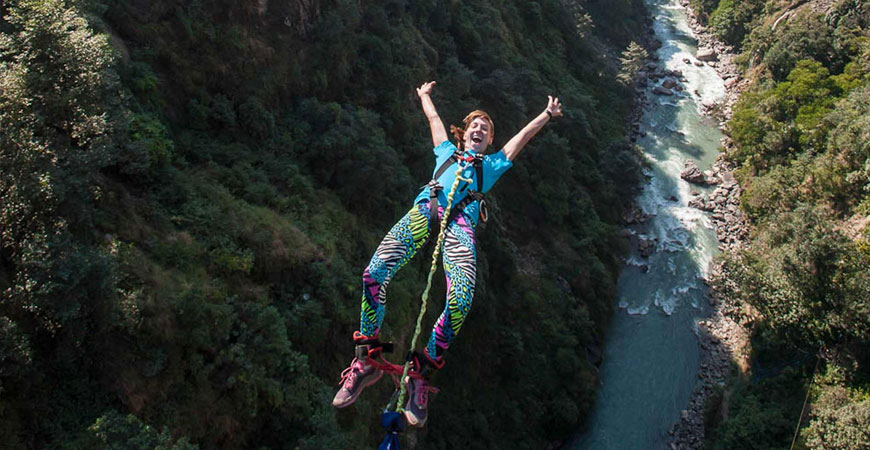
Bungee Jumping is one of best excitement activities in Nepal. The stunning natural surroundings so close to Tibet make the jump an almost magical experience. We can do it in a same day from Kathmandu (distance 100km). If you are coming from Tibet side, you can have the thrilling experience of jumping at that time. It will start about 11am but they operate twice in a week or must be 4 people minimum to operate any day. If you have any medical problems, please discuss with the jump master. We advise you to wear closed shoes for the bungee. Make sure your pockets are empty and keep in mind that cameras and bags are not allowed on the bridge.
Paragliding in Nepal
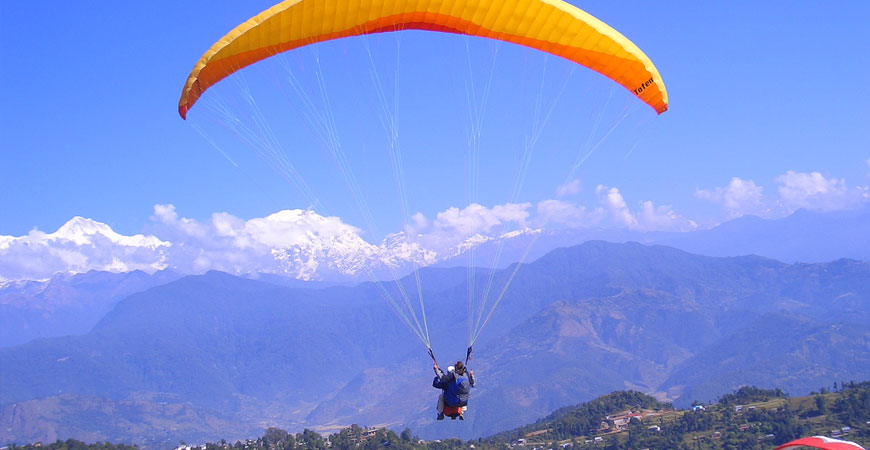
Nepal is one of the best paragliding venue after Switzerland. The climate & geographic similarities between the two countries have made it sound more relevant. Encouragingly, Pokhara has been nominated as the fifth best location to paraglide in the world in the context when paragliding is being seen as key product by entrepreneurs. Paragliding History is not very long.
The first and only registered paragliding company in Nepal is Sun Rise Paragliding based in Pokhara was established in 2000 AD with the help of Adam Hill, a British National and a paragliding Pilot. Paragliding can be a perfect alternative adventure sport in Nepal geographically and climatically.