September 7, 2026
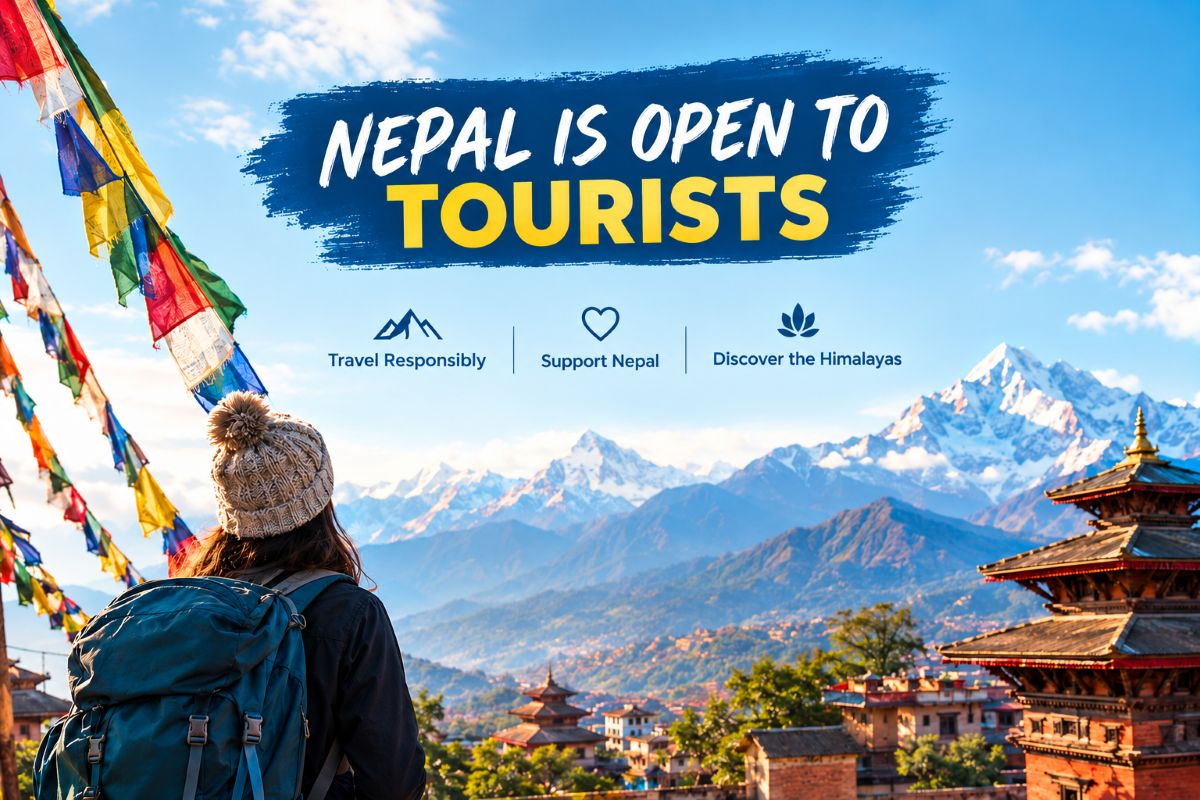
Nepal Tourism Update – September 2026
Nepal is going through a challenging period following the devastating floods that affected parts of the country, particularly areas near the Nepal–Tibet border. The disaster has brought loss, damage and uncertainty to many communities. Yet, amid this difficult situation, an important message is emerging: Nepal remains open to tourists, and responsible tourism can play a meaningful role in supporting the country and its people.
An Australian parliamentarian from Tasmania has expressed solidarity with Nepal and offered a strong message of encouragement to the country’s tourism sector. In her message, she paid tribute to the people affected by the disaster while highlighting Nepal’s extraordinary mountains, culture, natural beauty and warm hospitality.
Her message comes at an important time when international travellers may be uncertain about whether Nepal is still suitable for travel.
The answer, however, is more nuanced than a simple yes or no.
Nepal has experienced a serious disaster, but the impact is geographically concentrated. Many major tourist destinations remain open, while travellers should continue to check local conditions and avoid areas that are affected or unsafe. Recent briefings have similarly emphasized that destinations such as Kathmandu, Pokhara, Chitwan, Lumbini, Janakpur, the Annapurna region and the Everest region remain open to visitors.
A Message of Sympathy and Solidarity for Nepal
The Australian parliamentarian first expressed her heartfelt condolences to the people and communities affected by the recent disaster.
Natural disasters can leave a deep impact that goes far beyond damaged roads and infrastructure. Families lose loved ones, communities lose homes and businesses can suddenly lose their sources of income.
For Nepal, the effects are also being felt within the tourism industry. Tourism supports a large network of people across the country, including guides, porters, drivers, hotel and restaurant workers, local businesses, artisans and communities living in popular tourist destinations.
That is why the message from international visitors and friends of Nepal matters. Instead of turning away completely, travellers can make informed and responsible decisions about where they travel and, in doing so, continue supporting communities that depend on tourism.
Nepal Is Open to Tourists
One of the strongest points in the Australian parliamentarian’s message was the reminder that Nepal should not be viewed as a single affected area.
Nepal is geographically diverse, stretching from the lowland Terai to the high Himalayas. A disaster in one region does not mean that every city, trekking route or tourist destination across the country has been affected.
This distinction is particularly important following major international news coverage of the floods. Travellers who see images of damaged roads, bridges or flood-affected communities may naturally wonder whether they should cancel an entire trip to Nepal. However, conditions vary significantly from one destination to another.
Many of Nepal’s major tourism areas continue to welcome visitors, although routes and transportation conditions can change depending on weather, infrastructure and local circumstances.
For this reason, travellers should obtain the latest destination-specific information before travelling and work with experienced local operators who understand the situation on the ground.
Nepal’s Mountains and Culture Continue to Welcome the World
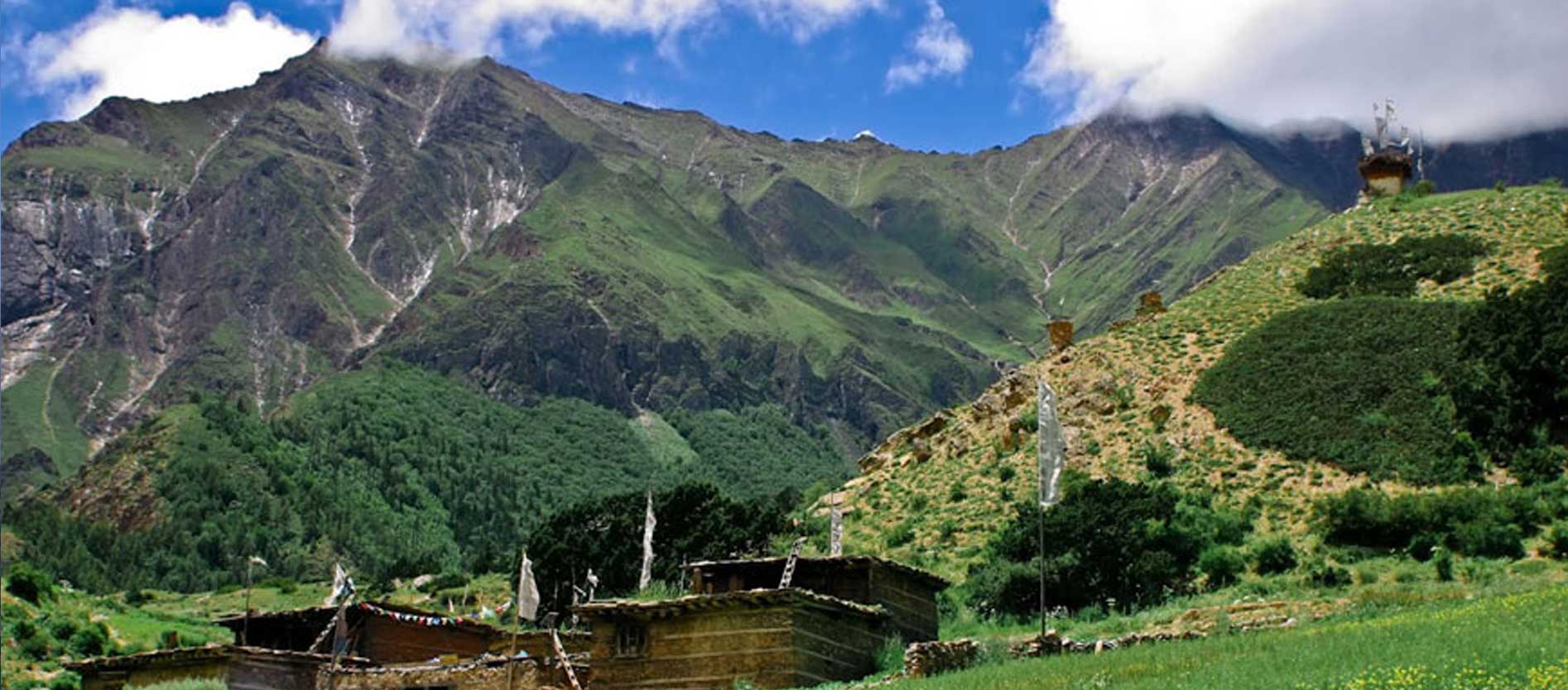
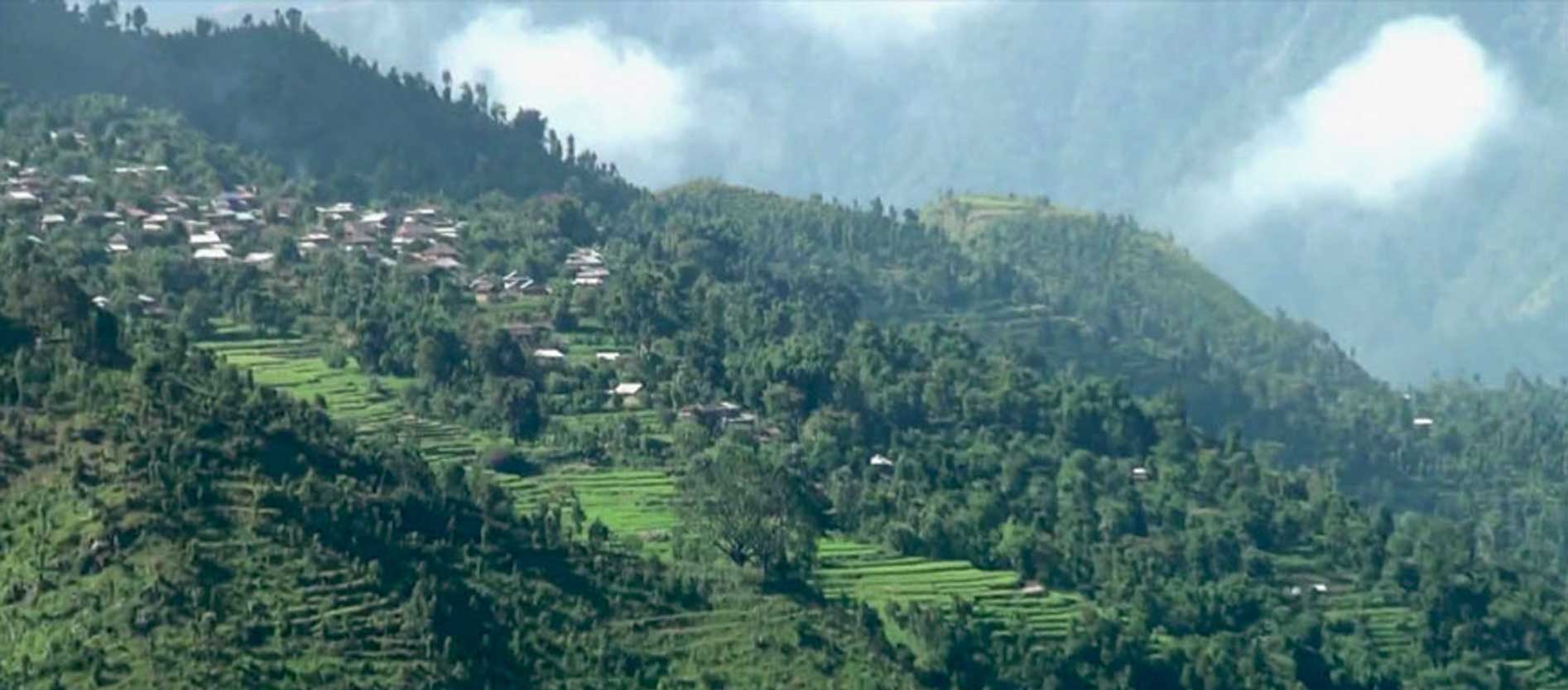
Nepal’s appeal has never been limited to one destination. It is a country where Himalayan mountains, ancient cities, sacred temples, peaceful lakes, wildlife-rich national parks and traditional communities exist within a remarkably diverse landscape. For travellers, Nepal offers countless experiences.
Kathmandu Valley
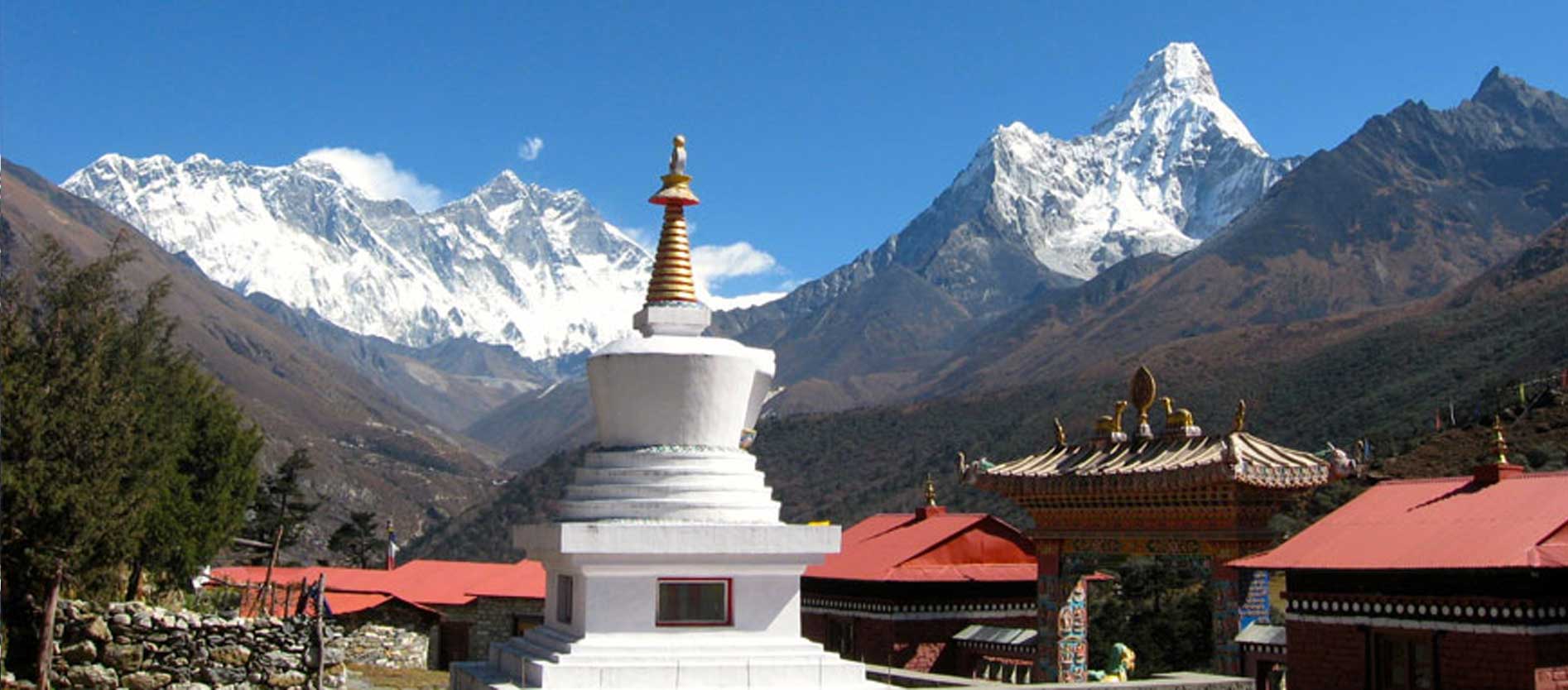
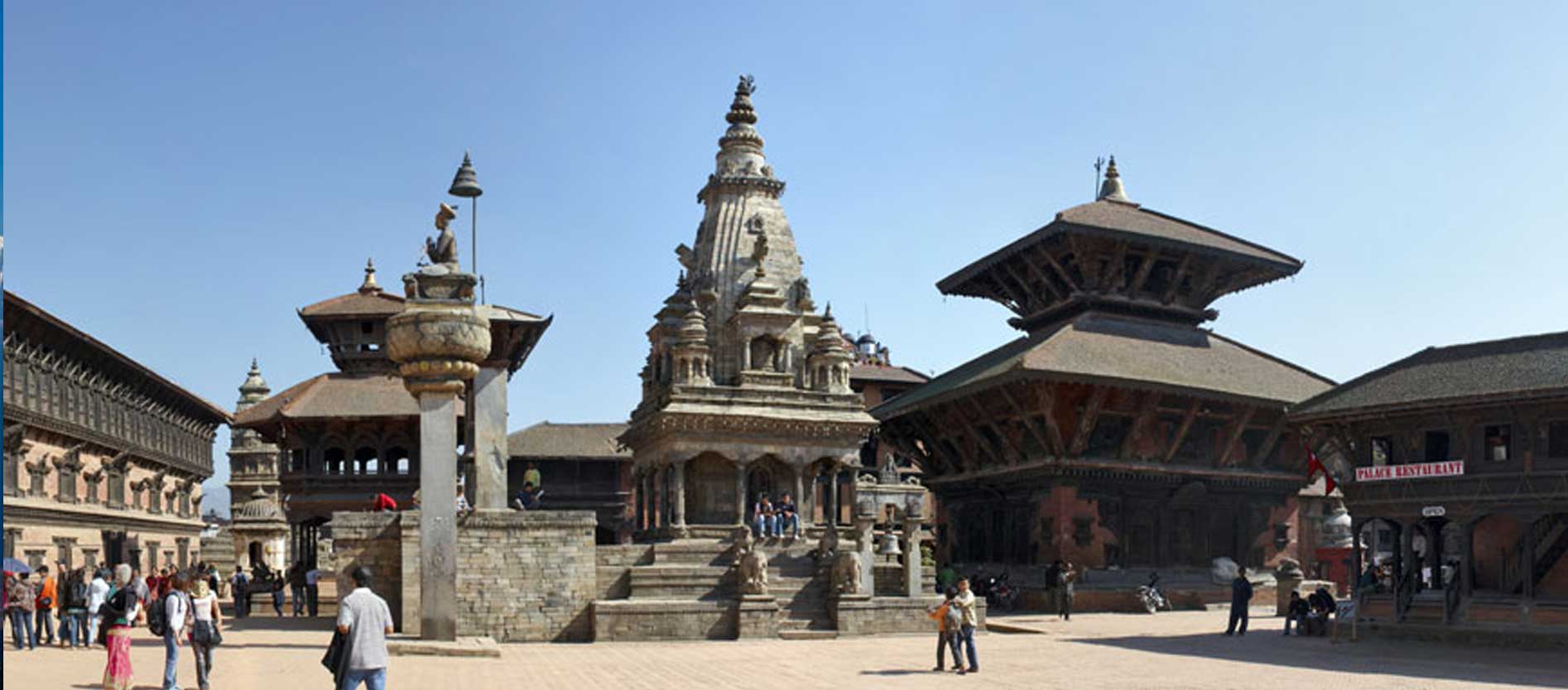
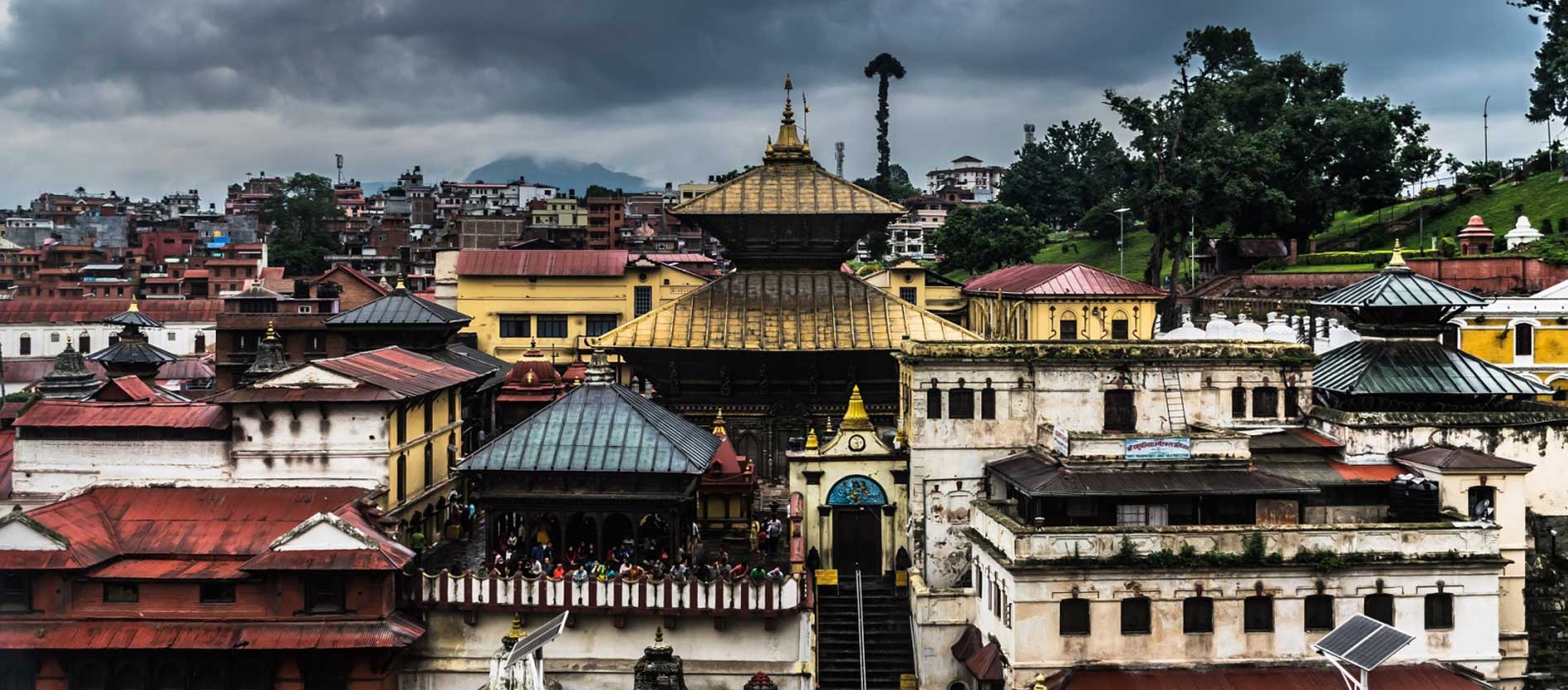
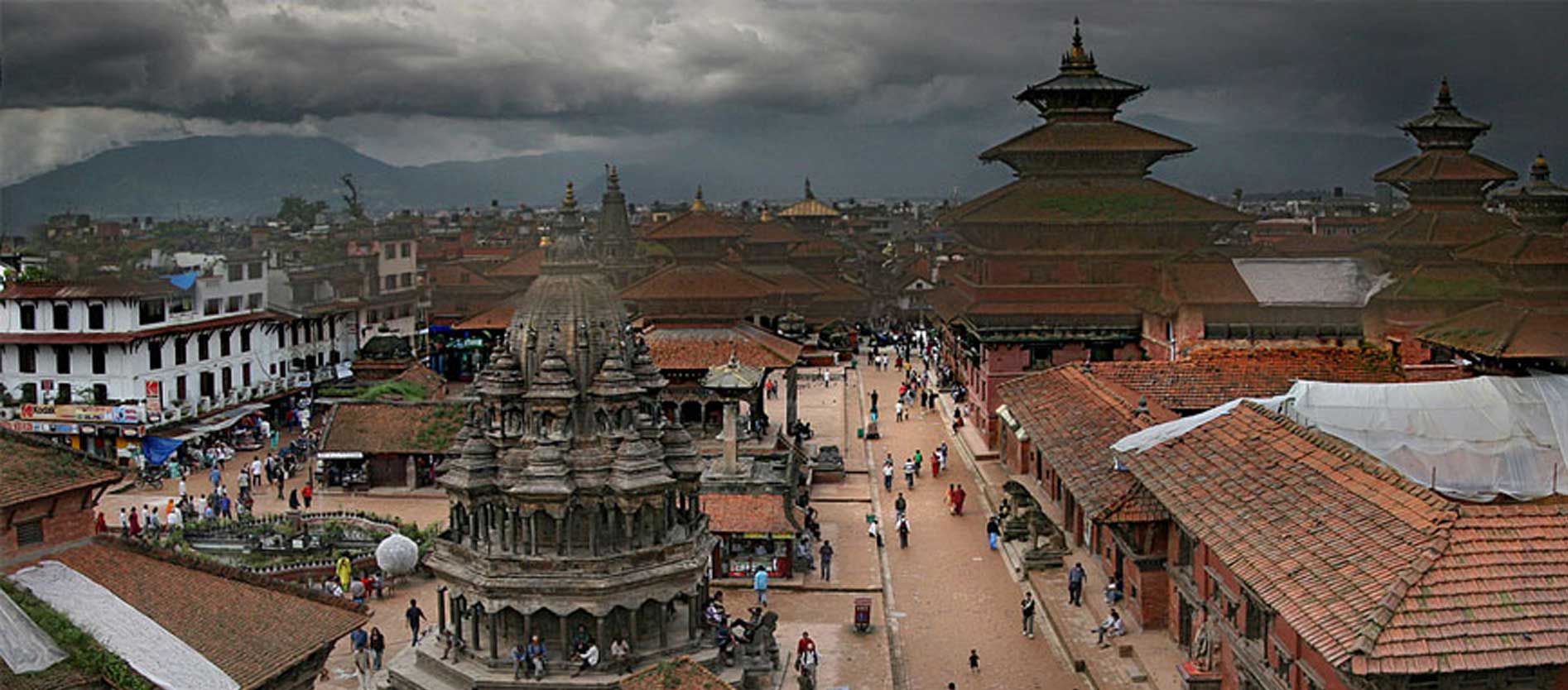
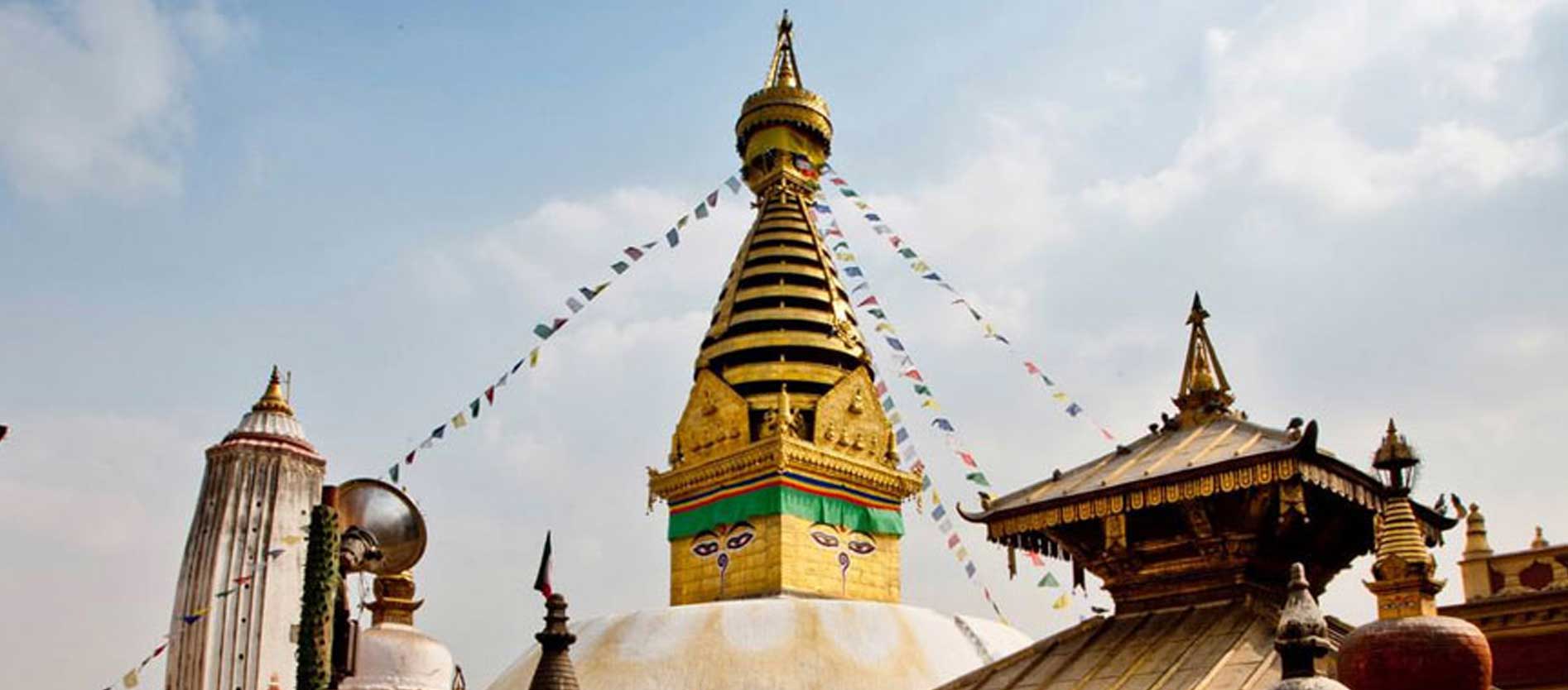
The Kathmandu Valley remains one of the country’s most important cultural destinations. Ancient temples, historic squares, Buddhist stupas and traditional neighbourhoods provide travellers with an opportunity to experience centuries of Nepalese history and culture.
Pokhara
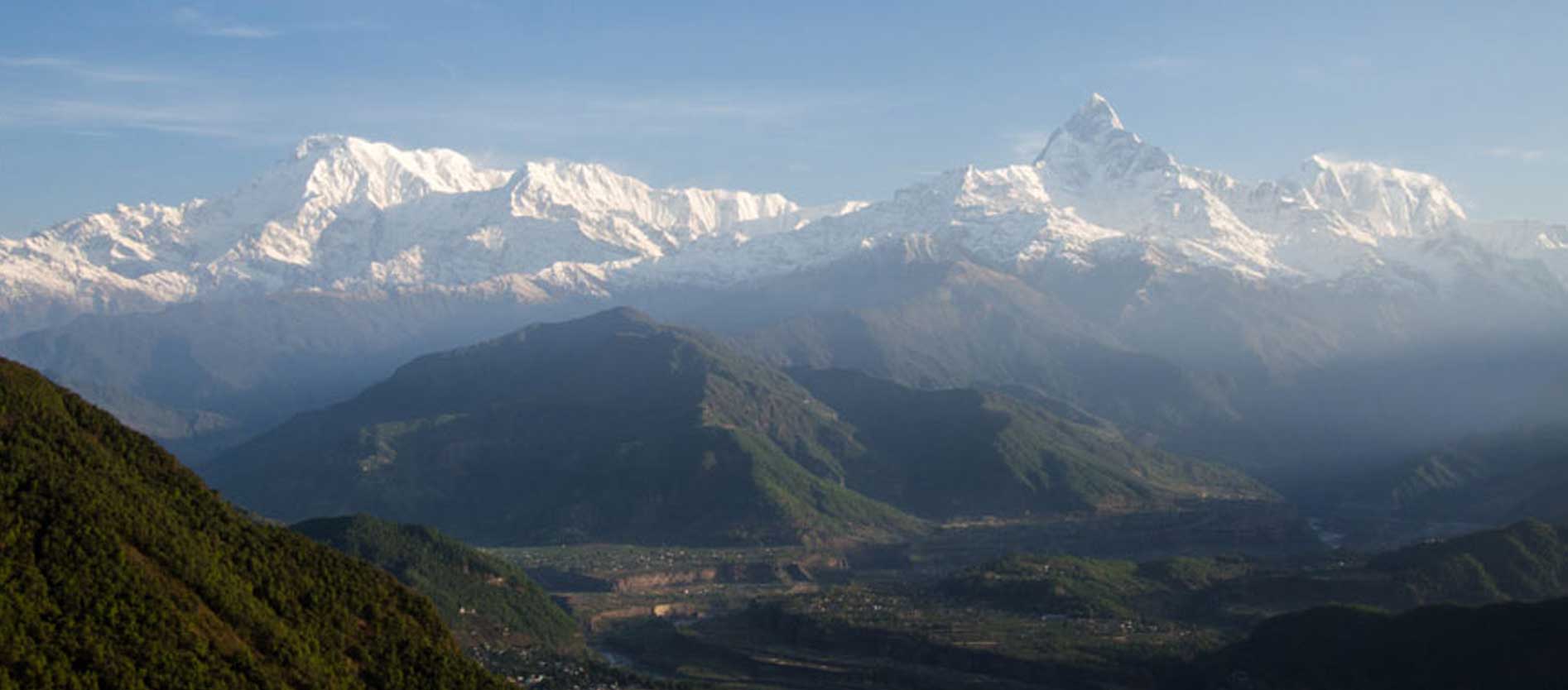
Pokhara continues to attract travellers with its peaceful lakeside atmosphere and spectacular Himalayan scenery.
For many visitors, it is also the gateway to some of Nepal’s most famous trekking experiences in the Annapurna region.
Chitwan
For travellers looking beyond the mountains, Chitwan offers a completely different side of Nepal.
Jungle safaris, wildlife experiences, traditional communities and subtropical landscapes make the region a popular destination for nature lovers.
Lumbini
As the birthplace of Lord Buddha, Lumbini holds enormous spiritual and cultural importance. It continues to attract pilgrims and visitors from around the world.
Everest and the Annapurna Regions
Nepal’s Himalayan regions remain among the country’s greatest attractions.
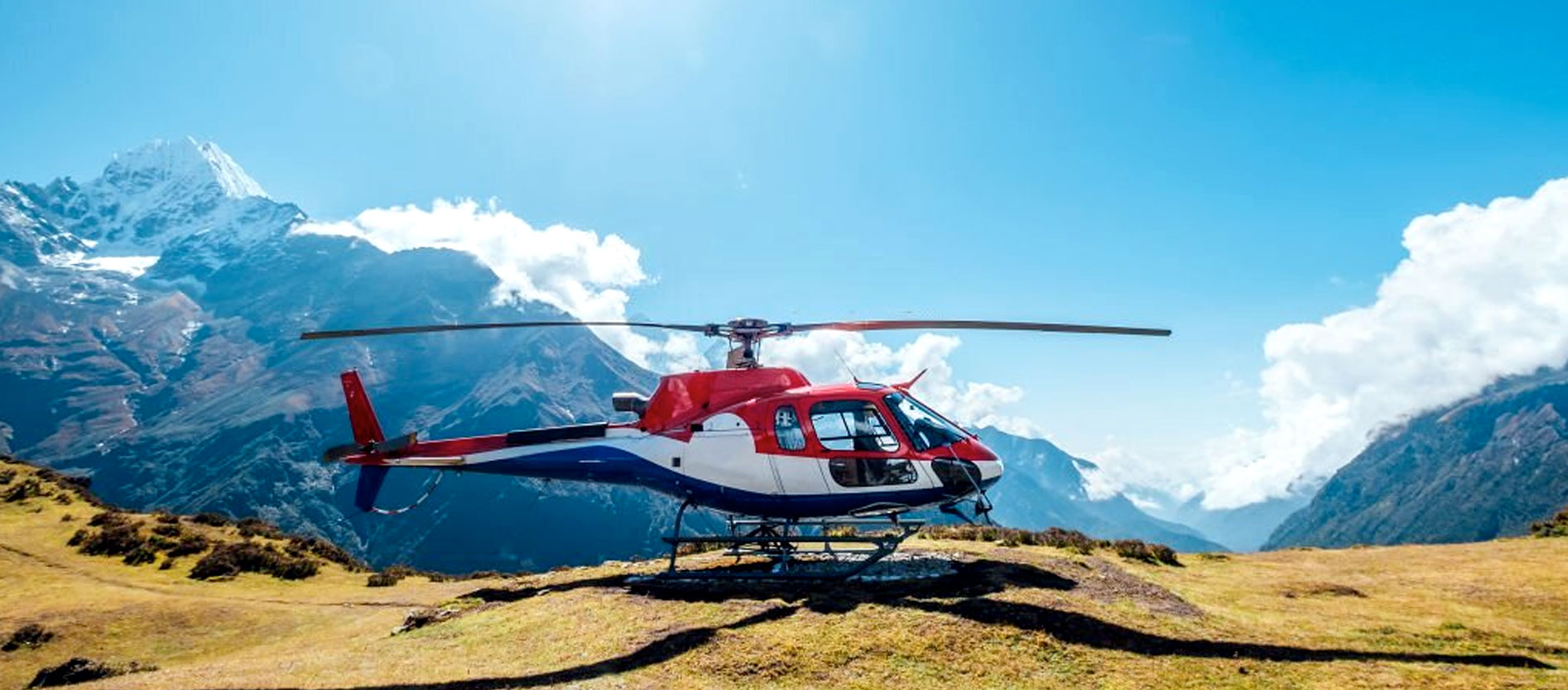
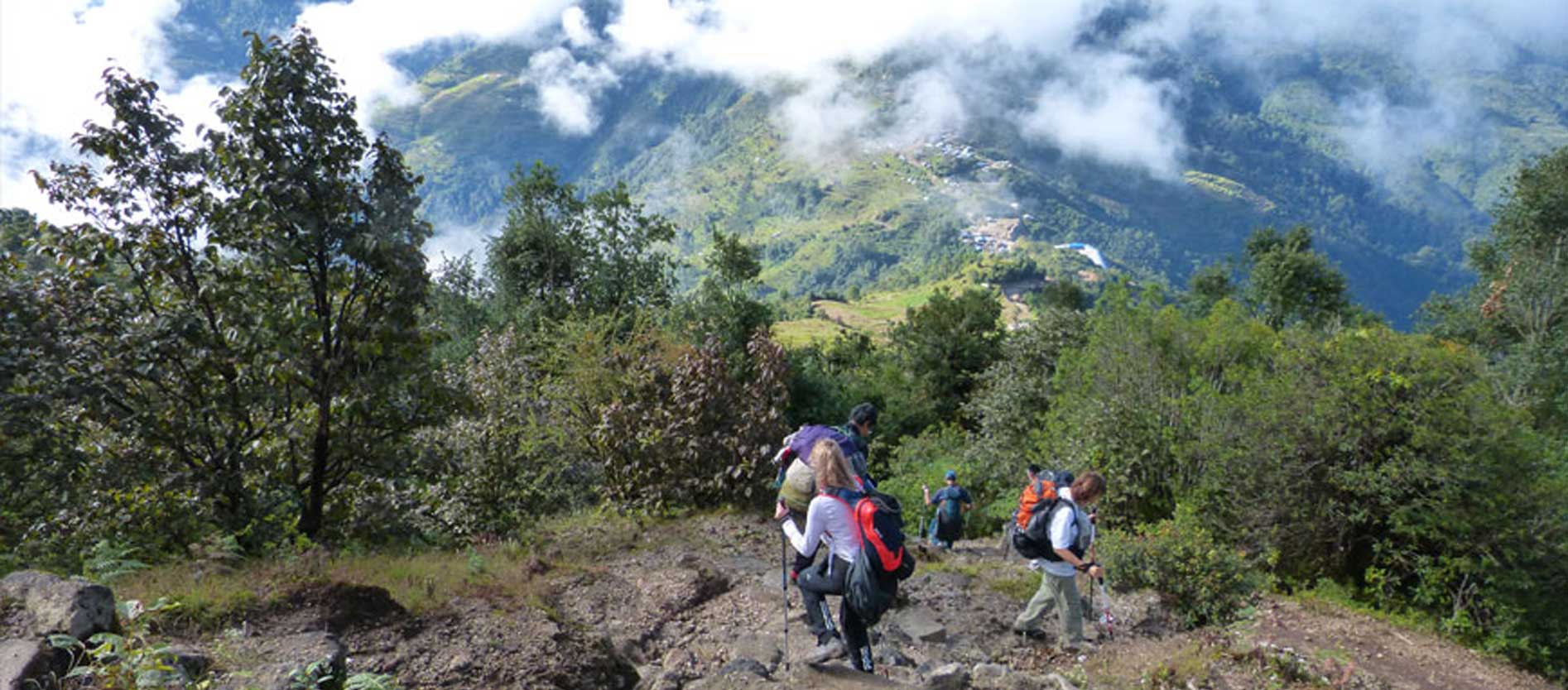
The Everest region offers spectacular mountain scenery, Sherpa culture and iconic trekking experiences, while the Annapurna region combines dramatic Himalayan landscapes with diverse villages, cultures and trekking routes.
Travellers should always confirm the current condition of specific trekking routes, transportation and accommodation before departure.
Why Tourism Matters to Nepal’s Recovery
The Australian parliamentarian’s message carries significance because tourism is much more than sightseeing.
When a traveller books a hotel in Nepal, eats at a local restaurant, hires a guide, uses local transportation or purchases traditional handicrafts, that spending can directly contribute to the livelihoods of local people.
Tourism creates opportunities for:
- Local guides and trekking crews
- Porters and transport workers
- Hotels and guesthouses
- Restaurants and cafés
- Local artisans and handicraft businesses
- Community-based tourism initiatives
- Drivers and travel operators
- Farmers and food suppliers
- Small businesses in tourism destinations
For communities recovering from a disaster, continued economic activity can make a meaningful difference.
This is why responsible tourism can become part of Nepal’s recovery.
Responsible Travel Is More Important Than Ever
Supporting Nepal does not mean ignoring the reality of the disaster.
Travellers should never enter restricted or unsafe areas simply to see the effects of a natural disaster.
Instead, responsible travellers should:
- Check the latest local travel conditions.
- Follow government and local authority guidance.
- Avoid affected or restricted areas.
- Remain flexible with transportation and itineraries.
- Use experienced local travel companies.
- Respect communities affected by the disaster.
- Support local businesses where it is safe to do so.
- Consider alternative destinations if their original route is temporarily inaccessible.
A responsible journey is one that protects both travellers and the communities they visit.
Nepal’s Story Is Bigger Than One Disaster
The recent disaster has caused genuine suffering, and the affected communities deserve continued attention, support and solidarity.
But Nepal’s story does not end with a flood. Nepal remains a country of extraordinary natural beauty, ancient traditions, welcoming communities and world-class adventure experiences. The country’s mountains remain. Its temples remain. Its villages, forests, rivers and cultural traditions remain.
Most importantly, the people of Nepal continue to demonstrate resilience. The message from the Australian parliamentarian is therefore more than a tourism statement. It is a message of friendship and solidarity at a difficult time.
Nepal may be facing a challenging moment, but Nepal is still open to travellers who choose to visit safely, responsibly and respectfully.
Come to Nepal, Travel Responsibly and Support Local Communities
For anyone who has been planning a trip to Nepal, cancelling an entire journey may not always be necessary. Instead, understand the situation, choose destinations that are currently accessible, stay updated and allow flexibility in your itinerary.
Whether you dream of exploring the cultural heritage of Kathmandu, relaxing beside Phewa Lake in Pokhara, experiencing wildlife in Chitwan, visiting Lumbini or trekking through the Himalayas, Nepal continues to offer remarkable experiences.
At Nepal Tibet Tours & Treks, we understand that travel plans may need to change during challenging times. As a locally operated Himalayan travel company with extensive experience in Nepal, Tibet and Bhutan, our team can help travellers plan journeys according to current local conditions and individual interests.
Nepal is resilient. Nepal is beautiful. Nepal continues to welcome the world.
And at a time when tourism can help communities recover, your journey can become more than a holiday; it can become a meaningful way to support the people and places that make Nepal special.
Come to Nepal. Travel Responsibly. Support Nepal.
Related Blogs
September 2, 2026
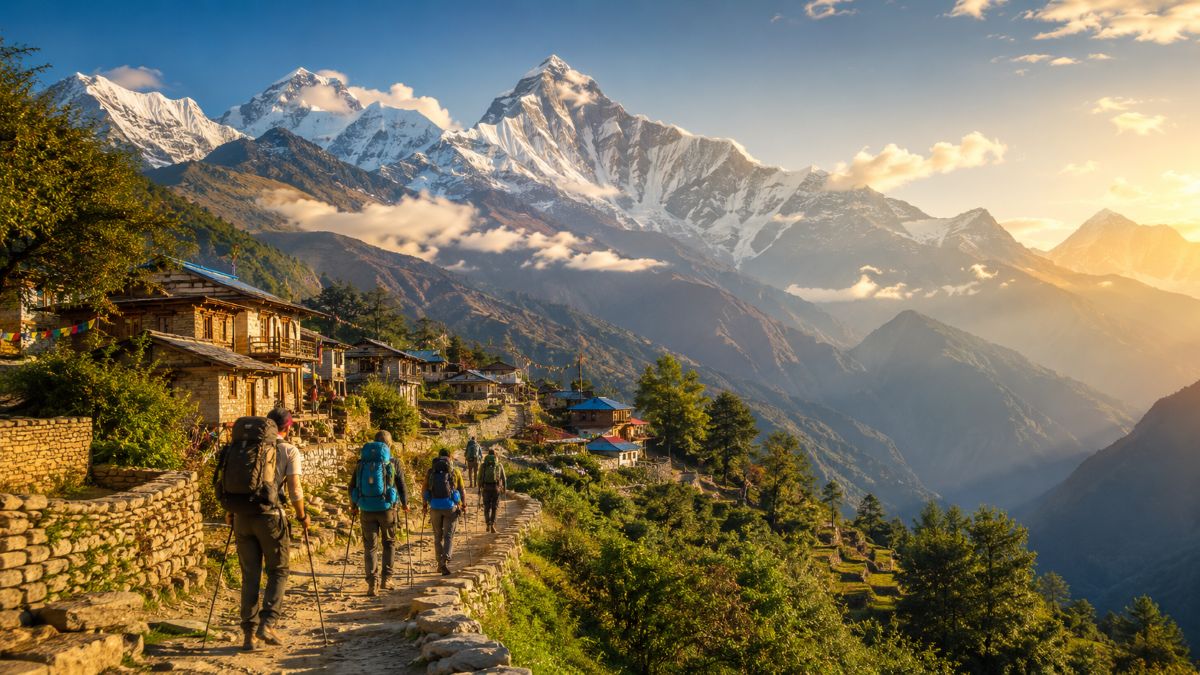
Nepal Needs You Now: Come for the Himalayas, Support the People
Nepal remains open to tourism, even as communities in parts of...
August 28, 2026
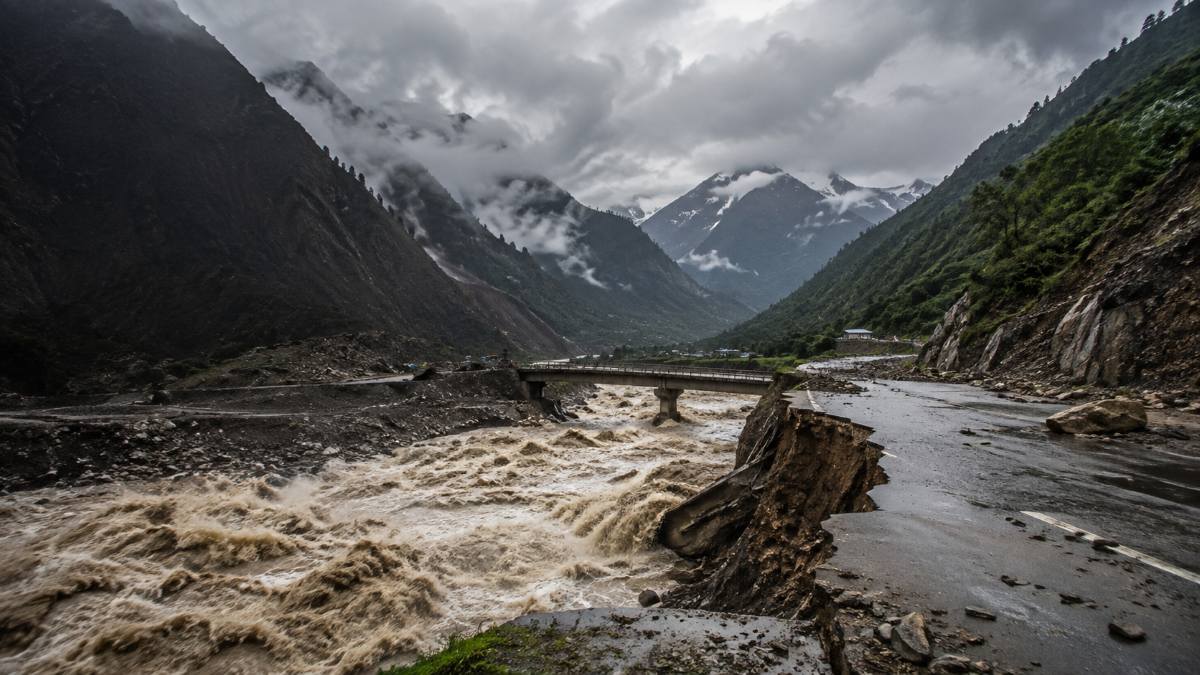
A Disaster in One Region, a Nation Still Welcoming the World
Nepal Flood Update – August 2026 Nepal has recently experienced a...
August 26, 2026
Prime Minister Balen Shah Visits Mustang by Road via Pokhara: A Quiet Journey to Nepal’s Himalayan Heartland
One of Nepal’s most talked-about and breathtaking destinations, Mustang, recently welcomed...