Tibet Overland Group Tour
contact us
Per Person
Overview
Tibet Overland Group Tour is the one of the easy and best way to visit beautiful Tibet. Tibet Overland fix departure Tour brings you all the way from Kathmandu to Lhasa. You can visit Tibet within your budget. This is the only way to see Tibet in a lower cost. One can join this tour with, different age group, people from different parts of the world. This tour is called Tibet budget tour as well. Tibet group joining tour or Tibet fixed departure tour. This tour also called Tibet Overland Tour.
8 Days Tibet Overland Tour drive in drive out - drive over the Himalayas through the incredible
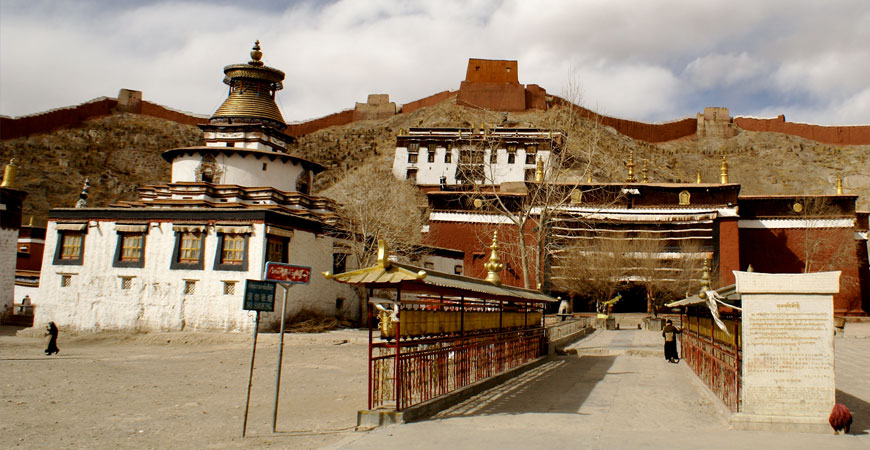
Mountain scenery and beautiful Lake that connects Kathmandu with Lhasa. On the way visit most popilar Tibetan Monastery - Tashilungpo at Shigatse, the Kumbum Stupa at Gyantse. After 5days reach ancient Tibetan city Lhasa. In Lhasa, there will be two full day's sightseeing tour, will visit the famous Potala and Norbulingka palaces, the great Drepung Monastery and walk through the bustling Barkhor Bazaar.
Tibet Overland Group Tour departure every Saturday. This Tour starts from Kathmandu and will end to Lhasa. This tour can be ended either at Lhasa or can continue to any city of China. You may onward this tour to your final destination or you may fly back from Lhasa to Kathmandu. This is the only right way to travel Tibet for a single traveler. One can save money and save their time to finding a travel partner from this group tour.
Tibet Overland Tour is an unforgettable encounter with forbidden Tibet. TFlight between Katmandu and Lhasa takes only an hour time. This is one of the exciting flights to see beautiful view of Mt. Everest and many other peaks. Come to join this adventure, best, cheapest tour or journey to the "Roof of the world", collect more information from This Tour and enjoy your Tibet Tour with us!
Highlights of the Tour
• Overland Journey from Nepal to Tibet via Kyirong – A scenic cross-border drive through dramatic Himalayan terrain
• Everest Base Camp (North Face) Experience – Stand before the world’s highest peak from the Tibetan side
• Explore UNESCO World Heritage Sites in Lhasa – Visit iconic landmarks rich in Tibetan history and spirituality
• Sacred Monasteries & Ancient Palaces – Discover centuries-old religious and royal architecture
• Spectacular Himalayan Landscapes & High Passes – Traverse breathtaking mountain passes and vast plateaus
• Stunning Yamdrok Tso Lake – Witness one of Tibet’s most beautiful turquoise lakes
• Authentic Plateau Life Encounters – Experience daily life and traditions of local Tibetan communities
• Vibrant Local Markets & Cultural Streets – Explore colorful streets filled with crafts, food, and culture
• Gradual Acclimatization for Comfort & Safety – Carefully planned itinerary to adjust to high altitudes
• A Photographer’s Dream Journey – Endless opportunities for capturing iconic landscapes and cultural moments
Short Summary
A scenic Nepal–Tibet overland adventure featuring Everest Base Camp, Lhasa’s UNESCO sites, sacred monasteries, stunning lakes, rich culture, and gradual acclimatization.
Required Documents for Tibet Visa
To facilitate the processing of your Tibet Travel Permit and visa, please ensure the following documents are prepared in advance:
1. Passport Copy – Submit a clear copy of your passport at least 20 days prior to travel to begin Tibet Travel Permit processing.
2. Original Passport – You must carry your original passport when your group arrives in Kathmandu.
3. Passport-Size Photo – Provide a recent photo with a white background, front-facing, no eyeglasses, and neutral expression (no smiling).
4. Visa Application Form – Complete the visa application form before arrival in Kathmandu.
Visa Processing in Kathmandu
• According to the current rules from the Chinese Embassy in Nepal, a minimum of 4 people is required to apply for a Tibet group visa.
• The visa process must be completed in Kathmandu and requires submission of the original passport.
• Processing generally takes 3–4 official working days (Monday to Friday).
• Important: Tibet visa rules and regulations are subject to change. We recommend checking the latest requirements before your departure to avoid delays.
Note: This Tour can be customized as per the clients timetable and Interest!
Included/Exclude
• Private transportation throughout the tour by comfortable van or minibus, as per group size
• All required Tibet Travel Permits to ensure a smooth and hassle-free journey
• Experienced English-speaking Tibetan guide for sightseeing and cultural insights
• Accommodation on a twin-sharing basis in selected hotels as per the itinerary
• All sightseeing and monastery entrance fees mentioned in the program
• Daily breakfast at the hotels
• Kathmandu – Kyirong – Kathmandu transfers by jeep, including border assistance
• Lunch and dinner throughout the tour
• Travel, medical, or evacuation insurance of any kind
• Personal expenses, including drinks, tips, laundry, phone calls, etc.
• Any additional expenses arising from natural calamities, road conditions, or unforeseen circumstances beyond the operator’s control
Trip Itinerary
Day 1: Kathmandu (1,300m) – Kyirong Border – Kyirong Town (2,700m)
Distance: 151 km | Driving Time: 7–8 hrs Early in the morning, depart Kathmandu for a scenic drive along the Trishuli River valley, passing rural settlements and lush green hills. Reach the Kyirong (Rasuwagadhi–Kerung) border, where you complete Nepalese and Chinese immigration formalities. After crossing into Tibet, continue the drive toward Kyirong as the scenery gradually transforms into dramatic Himalayan landscapes. Upon arrival in Kyirong Town, check into your hotel and enjoy a restful evening to begin acclimatization. Overnight: Hotel in Kyirong Town
Day 2: Kyirong – Tingri (4,348m)
Distance: 265 km | Driving Time: 5–6 hrs Drive deeper into the vast Tibetan Plateau, with a steady gain in altitude. Enjoy sweeping Himalayan vistas, wide-open grasslands, grazing yak herds, and distant snow-capped peaks. This gradual ascent is ideal for acclimatization. Overnight at a hotel in Tingri.
Day 3: Tingri – Everest Base Camp (5,200m) – Shigatse (3,840m)
Distance: 443 km | Driving Time: 8–9 hrs Journey across the world’s highest plateau, surrounded by dramatic Himalayan scenery. Visit Rongbuk Monastery, the highest monastery in the world, followed by a memorable stop at Everest Base Camp (North Face). Continue via Gyatchu La Pass and Lhatse to Shigatse. Overnight at a hotel in Shigatse.
Day 4: Shigatse – Gyantse – Lhasa (3,650m)
Distance: 361 km | Driving Time: 6–7 hrs Begin the day with a visit to Tashilhunpo Monastery, the traditional seat of the Panchen Lama. Drive to Gyantse to explore the impressive Kumbum Stupa and Phalkor Monastery. Cross scenic high passes including Karo La and Kamba La, with breathtaking views of Yamdrok Tso Lake, before arriving in Lhasa. Overnight at a hotel in Lhasa.
Day 5 : Full Day Sightseeing in Lhasa (3,650m)
Driving Time: Minimal (city tour) Discover the cultural and spiritual heart of Tibet. Visit Sera Monastery to witness the famous monk debates, explore the iconic Potala Palace, and pay homage at the sacred Jokhang Temple. Enjoy time at Barkhor Bazaar, alive with pilgrims and local traders. Overnight at a hotel in Lhasa.
Day 6: Lhasa – Shigatse
Distance: 270 km | Driving Time: 5–6 hrs Morning visit to Drepung Monastery, once the largest monastery in the world. After lunch, drive back to Shigatse through picturesque valleys and classic Tibetan highland landscapes. Overnight at a hotel in Shigatse.
Day 7: Shigatse – Kyirong
Distance: 491 km | Driving Time: 7–8 hrs After breakfast, begin your return journey toward Kyirong. The drive gradually descends from the arid Tibetan Plateau into greener valleys, offering a pleasant change in scenery and climate. Overnight at a hotel in Kyirong.
Day 8: Kyirong Border – Kathmandu
Distance: 151 km | Driving Time: 7–8 hrs Early morning drive to the Kyirong Border. After completing immigration formalities, continue onward to Kathmandu through Nepal’s scenic mountain roads
Note: This itinerary can be customized as per situation.
Tour Location
Subscribe to get latest updates


